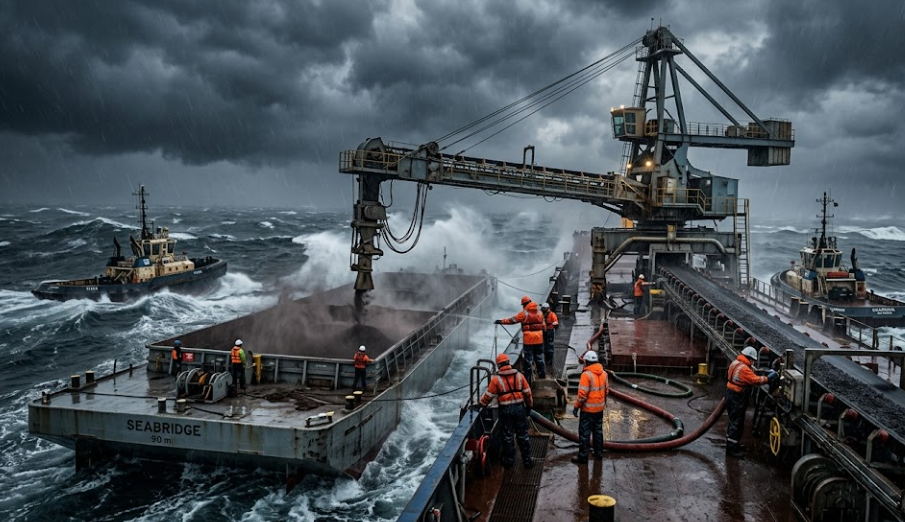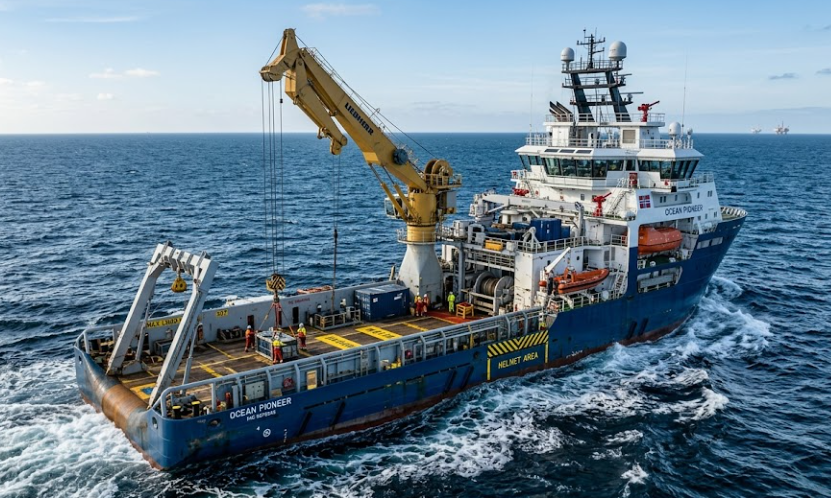
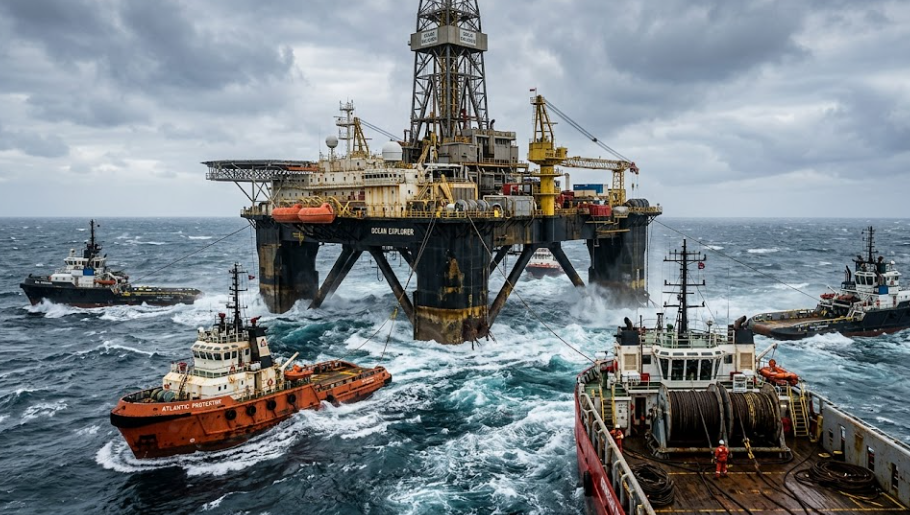
Moving an offshore rig from one location to another is one of the most complex operations in the oil and gas marine industry. It requires precise coordination between multiple vessels, experienced marine crews, and a level of planning that begins long before any anchor is lifted. In West African waters, where weather, water depth, and operational conditions vary significantly from one location to the next, getting a rig move right demands both technical expertise and the right marine partners on the water.
Milverton Marine has built its reputation in this space by bringing together the vessels, the teams, and the operational structure that rig moves require. From the initial safety briefing through to final positioning at the new location, every stage of the process is managed with the kind of discipline these operations demand.
What a Rig Move Actually Involves
A rig move is the process of relocating a drilling rig or jackup unit from one position to a new site within an oil field. While the concept sounds straightforward, the execution involves a sequence of interdependent operations that must be carried out in the correct order, under the right conditions, with the right vessels in place.
The scale of what is involved becomes clear when you consider the anchors alone. Most rigs operate with eight anchors, and some configurations require ten or twelve. Each anchor can weigh anywhere between six and twenty tons. Before a rig can move, every one of those anchors must be retrieved, handled, and managed by the attending vessels, and that work begins before the rig itself moves a single metre.
A standard rig move in West African waters typically takes between three and five days, covering distances that vary significantly depending on the field layout and the new drilling location. The total time depends on water depth, weather conditions, and the efficiency of the anchor handling sequence.
It Starts With a Safety Meeting
Before any vessel moves and before any anchor is touched, all key stakeholders gather for a pre-operation safety meeting. This includes the captains of the anchor handling tug supply vessels, the tow master responsible for overseeing the movement of the rig, and the rig personnel who will be coordinating from the unit itself.
The meeting covers several critical areas:
- A full review of the planned procedures and safety measures for the operation
- A Job Safety Analysis to identify risks at each stage and establish controls
- Stability calculations that account for the maximum forces that will be applied to each vessel during the operation
- Confirmation of the anchor plan and the approved route to the new position
This is not a formality. In an operation where multiple vessels are working simultaneously around a structure weighing thousands of tons, a shared understanding of the plan and the hazards is what keeps people and equipment safe. Milverton Marine treats this stage as the foundation of every rig move, not a box to tick before the real work begins.
The Anchor Retrieval Phase
Once the client has provided the anchor plan and confirmed the route to the new drilling position, the operation moves into its first active phase: retrieving the anchors.
The approach taken depends on water depth, and this is where the technical demands of the operation increase considerably.
In shallow water operations, the AHTS vessels begin by retrieving the buoys connected to the anchors. Each buoy is brought onto the vessel deck and its cable connected to the winch. The anchor is then disembedded, meaning extracted from the seabed, and brought up onto the deck of the AHTS. This process is carried out on opposing anchor pairs simultaneously, with two vessels working at the same time to maintain balance and control around the rig.
In deepwater offshore operations, a different technique is used. A chaser, which is a ring device that slides along the anchor cable, is deployed to locate and connect with the anchor on the seabed. In the deepest water environments, a remotely operated vehicle is also used to assist in carrying out the retrieval safely and accurately.
Between three and four vessels are typically mobilised for this phase, each tasked with handling specific anchors in a coordinated sequence. The lead vessel, positioned upstream of the current, holds the rig in place once the final anchor is raised. This is one of the most critical moments in the entire operation.
Pre-Lay: Saving Time and Increasing Accuracy
One technique that has become increasingly common in modern rig move planning is known as pre-lay. Rather than waiting until the rig is ready to move before preparing the new position, pre-lay involves deploying anchors and moorings to the new site in advance.
The benefits are practical and significant:
- It reduces the total time required at the new location because the anchoring infrastructure is already in place when the rig arrives
- It improves positioning accuracy because the mooring pattern has been set and verified before the rig is brought in
- It allows the operation to move more smoothly from the towing phase directly into final positioning without extended setup time at the new site
For projects operating under tight scheduling pressure, pre-lay can make a meaningful difference to overall project timelines and the associated daily vessel costs.
The Towing Phase
With the anchors retrieved and the rig free to move, the towing phase begins. The lead AHTS vessel takes the tow and guides the rig along the approved route to the new location, with the other vessels maintaining their positions around the rig to manage heading and control throughout the transit.
This phase requires continuous communication between the vessel captains, the tow master, and the rig crew. Any change in weather, current, or vessel performance during the tow must be assessed and managed in real time. The distances involved vary depending on the field configuration, but the priority throughout is controlled, predictable movement that keeps the rig on the planned route and protects the integrity of the tow connection.
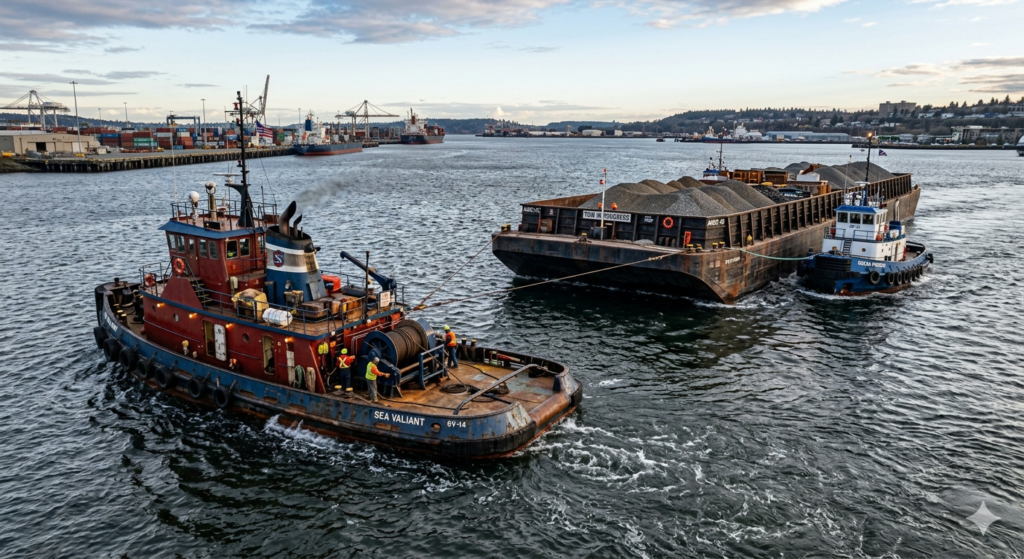
Tugboats and support vessels may also be deployed during this phase depending on the size of the rig and the complexity of the route, particularly in areas with traffic, shallow sections, or environmental sensitivities.
Why Experience Is the Deciding Factor
Anyone who has been involved in rig move operations knows that the technical plan only takes you so far. When conditions change on the water, and they always do to some degree, the thing that keeps the operation safe and on schedule is the experience of the people and vessels involved.
Coordinating multiple vessels around a rig during anchor retrieval, managing a deepwater tow in changing sea conditions, and positioning a rig accurately at a new location are not tasks that can be executed well without a team that has done it before. The coordination required between vessel captains, the tow master, and rig personnel is continuous and detailed throughout every phase.
This is where Milverton Marine consistently delivers for its clients. The company brings together experienced AHTS crews, qualified tow masters, and a network of vessels suited to rig move operations across Nigerian waters and the wider West African region. For companies and project managers who need a reliable marine partner to plan and execute these operations, Milverton Marine provides the capability and the track record to back it up.
Planning Your Next Rig Move
Whether you are planning an upcoming rig move in the Niger Delta, deepwater offshore Nigeria, or elsewhere in West Africa, having the right vessels nominated and a clear operational plan in place well in advance is what makes the difference between a smooth operation and a costly one.
Milverton Marine works directly with drilling companies, project managers, and offshore operators to source and coordinate the AHTS vessels, tugboats, barges, and support assets needed for successful rig move operations. Through the Milverton Marine platform, clients can access verified vessel listings, review technical specifications, and connect with vessel owners without the delays and information gaps that come with the traditional chartering process.