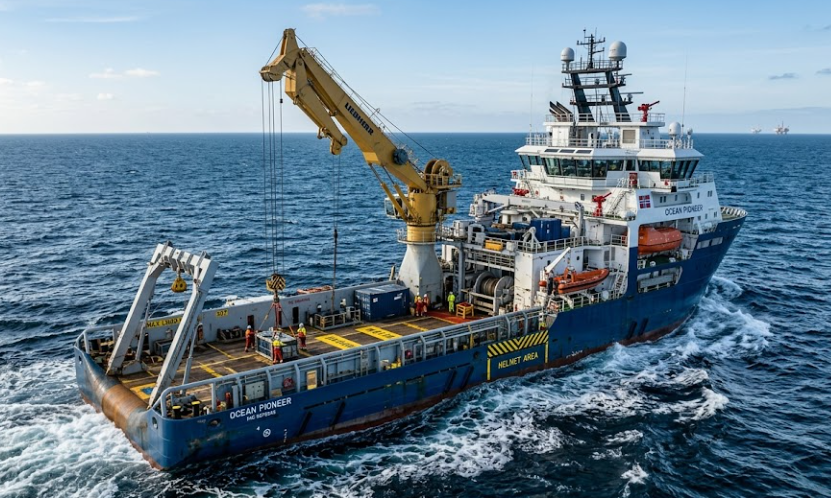
Chartering an offshore vessel in West Africa is not a simple transaction. Between identifying the right vessel, verifying documentation, negotiating rates, and coordinating mobilisation, there are multiple points where things can go wrong. For project managers and marine coordinators working under pressure, one bad decision can delay an operation by weeks and push costs well beyond budget.
These are the five mistakes that come up most often, and what charterers can do to avoid them.
1. Relying on Unverified Vessel Specifications
The first and most damaging mistake is taking vessel specification sheets at face value. In the West African offshore market, Q88 forms and technical documents are frequently outdated, inconsistently formatted, or in some cases, deliberately altered to make a vessel appear more capable than it actually is. A charterer who bases a hiring decision on unverified specs risks mobilising the wrong vessel entirely.
At Milverton Marine, every vessel listed on the platform carries a standardised technical sheet that has been reviewed for consistency. Project managers can compare bollard pull, DP class, deck capacity, and fuel specifications across multiple vessels in one place, without having to request documents from five different owners and reconcile the differences themselves.
2. Not Checking Regulatory Document Status Early Enough
Vessel certificates expire. Class documents lapse. Flag state endorsements run out. These are facts of offshore operations, yet many charterers only discover a documentation problem after a vessel has already been nominated or mobilised. At that point, the delays and costs involved in finding a replacement fall entirely on the project.
The smarter approach is to make document verification part of the initial screening process, not an afterthought. When charterers work with Milverton Marine, regulatory document status is part of the vessel profile from the start, giving chartering teams the visibility they need before any negotiation begins.
3. Entering Rate Negotiations Without Market Benchmarks
Most charterers in West Africa go into daily hire negotiations without knowing what a fair rate actually looks like. This puts them at a significant disadvantage. Without market benchmarks, it is difficult to push back on inflated quotes or recognise when a rate is genuinely competitive.
Milverton Marine addresses this directly by giving charterers access to rate data across vessel categories. Whether you are chartering a multicat for a support operation, an AHTS for a rig move, or a security vessel for an offshore protection assignment, having comparable market data before negotiations start changes the entire dynamic. Charterers who come prepared close charters faster and at better rates.
4. Ignoring Vessel Positioning and Mobilisation Costs
The daily hire rate is only one part of the total charter cost. Mobilisation expenses, which cover the cost of moving a vessel from its current location to the project site, can add a substantial amount to the final bill. Many charterers focus exclusively on hire rate during their search and overlook vessels that are cheaper overall because they are already closer to where the work is happening.
When using Milverton Marine, project managers can search for vessels by operational region and current positioning. This means the platform is not just helping charterers find the right vessel on paper. It is helping them find the right vessel for the actual economics of their project.
5. Managing the Entire Process Across Too Many Channels
Emails to multiple brokers. Calls to vessel owners. Spreadsheets tracking quotes. Separate threads for document requests. This is how most charters in West Africa are still managed, and it is a system that creates confusion, slows decisions, and increases the risk of things falling through the gaps.
Milverton Marine consolidates the full charter process into one workflow. From initial vessel search through to quote management, document review, and negotiation, everything runs inside a single platform. For companies managing multiple offshore projects simultaneously, this is one of the most immediate and practical improvements to how their chartering teams operate.
The Bigger Picture
Each of these mistakes has one thing in common. They all come from working with incomplete information in a fragmented market. The offshore chartering industry in West Africa has operated this way for a long time, but it does not have to.
Milverton Marine was built specifically to close that information gap. Whether you are a project manager running your first offshore charter or a company with an active fleet of ongoing operations, the platform gives you the data, the tools, and the market visibility to make better decisions at every stage.