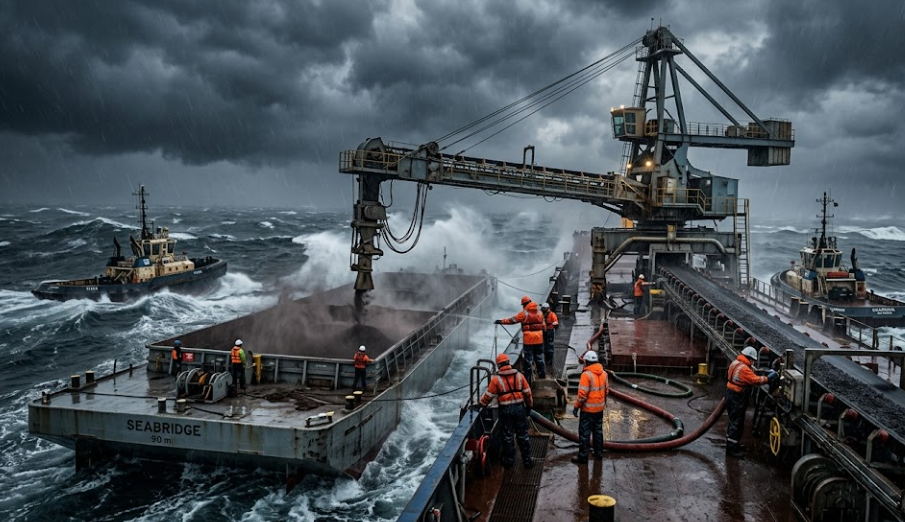
Midstream discharge is one of the most technically demanding operations in the offshore marine industry. When a submersible vessel or heavy lift ship anchors in open water to unload cargo at sea, every variable matters, and weather is the one variable that no amount of planning can fully eliminate. For project managers, charterers, and marine coordinators working in Nigerian waters and across West Africa, understanding how weather affects these operations is not just useful knowledge. It is essential to protecting schedules, controlling costs, and keeping crew safe.
At Milverton Marine, we work closely with companies managing midstream operations across the region. What we see consistently is that weather-related setbacks are not always unavoidable, but they are almost always more costly when teams are not prepared for them.
What Midstream Discharge Actually Involves
Midstream operations refer to the loading and unloading of cargo at sea, away from the shoreline, using barges, lighters, or submersible vessels anchored in deeper water. This method is used when port infrastructure cannot accommodate oversized loads, or when the cargo itself, such as an oil platform, a large dredger, or heavy construction equipment, requires open water handling.
The vessels most commonly used for this work are semi-submersible heavy lift ships. These vessels take on ballast water to partially submerge their deck, allowing cargo to float on or be positioned precisely before the deck is raised to lift and transport the load. The process demands a high level of stability and control at every stage.
In Nigeria, midstream discharge is no longer a rare occurrence. Submersible vessels now discharge in Nigerian waters on an almost weekly basis, handling some of the largest and most complex cargo movements in the region. With that frequency comes greater exposure to weather risk, and greater need for experienced marine partners who understand the operational environment.
The Key Weather Factors That Affect Midstream Vessel Operations
Visibility
Reduced visibility is one of the most immediate threats to safe midstream operations. Fog, heavy rain, and mist can make it difficult or impossible for vessel crews to navigate safely, position tugboats accurately, or coordinate barge movements alongside a submersible vessel. When crew cannot see clearly, the risk of misaligned cargo transfers and vessel collisions increases significantly.
From a contractual standpoint, visibility-related stoppages also carry legal weight. Maritime agreements that include weather working days provisions may count fog or rain as qualifying weather events, which directly affects how laytime and demurrage are calculated. Project managers need to understand these clauses before operations begin, not after delays have already occurred.
Wind and Wave Conditions
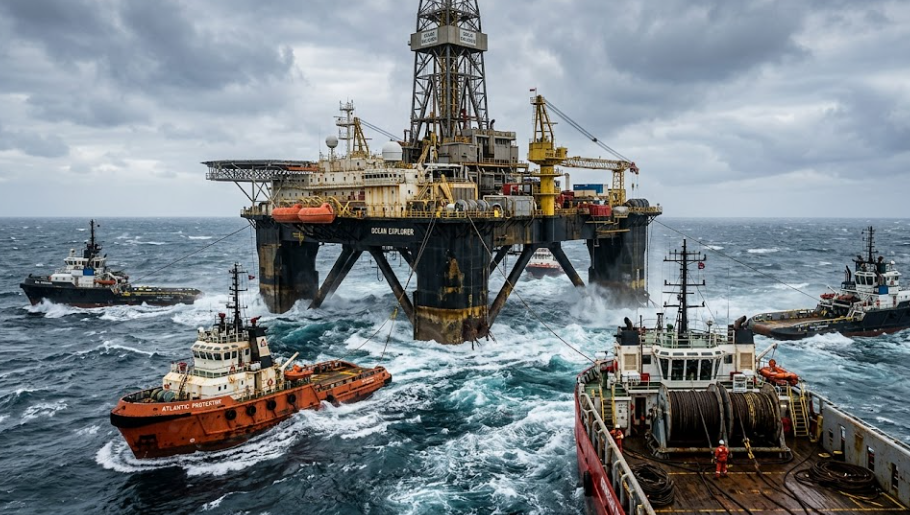
High winds and rough seas create instability problems that go to the core of how submersible vessels operate. The ballasting process that raises and lowers the vessel deck requires a stable platform. When wind speeds climb and wave action increases, the vessel begins to pitch and roll, making it significantly harder to control the float-on and float-off process safely.
For tugboats assisting in positioning and holding a vessel in place during discharge, strong winds and unpredictable currents make an already demanding job considerably more dangerous. A tugboat that loses position at the wrong moment during a rig move or heavy cargo transfer can create serious consequences for both the vessel and the load.
Rough seas also increase the risk of structural damage. Large, unwieldy loads such as oil platforms and dredgers are especially vulnerable when the vessel beneath them is moving unpredictably. A 9,000-ton dredger being offloaded in open water has no tolerance for poor sea conditions during the critical stages of the transfer.
Broader Operational Impacts of Bad Weather
Beyond the immediate physical risks, weather creates a wider set of problems for midstream operations that affect everyone involved in a project.
Operational delays are the most visible consequence. Hurricanes, tropical storms, and sustained heavy weather can bring midstream activity to a complete stop. In a region like West Africa, where seasonal weather patterns are well established, these disruptions are predictable to a degree, but they still cause significant schedule pressure when they arrive.
Safety and stability risks intensify during the most sensitive phases of a midstream operation, particularly when a submersible vessel is in the process of submerging or raising its deck. Heavy seas during these moments put both crew and cargo at serious risk. The structural integrity of the vessel, the barge alongside it, and the cargo itself can all be compromised if conditions deteriorate faster than anticipated.
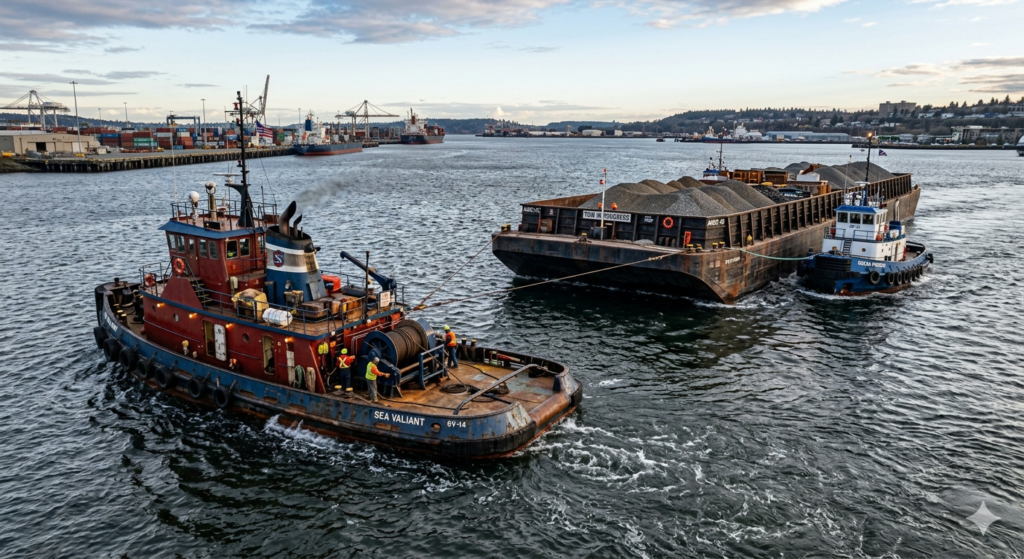
Cost implications follow closely behind delays. Extended discharge times mean higher daily hire costs for the vessel, additional fuel consumption for attending tugboats, and potential demurrage charges that can run into substantial sums for major projects.
Contractual complications are another reality. Weather working days clauses, half-weather exceptions, and berthing restrictions tied to wind speed thresholds all create situations where delays are disputed between charterers and owners. Clear, well-drafted charter party agreements that account for the specific weather conditions of Nigerian and West African waters are important from the start.
How the Industry Manages Weather Risk
The offshore marine industry has developed practical strategies to reduce the impact of weather on midstream operations. These include:
- Using weather routing services to plan vessel movements around forecast storm systems
- Applying advanced meteorological forecasting tools to identify optimal operational windows
- Setting clear wind speed and wave height thresholds in charter agreements that trigger automatic work stoppages
- Positioning standby tugboats to assist vessels quickly if conditions change during an operation
- Conducting pre-operation weather briefings with all vessel crews and shore-based teams
None of these measures eliminate weather risk entirely, but they do reduce the likelihood of being caught unprepared.
How Milverton Marine Supports Project Managers and Companies Through This
When companies come to Milverton Marine to source vessels for midstream operations, weather planning is always part of the conversation. Selecting the right submersible vessel for a specific operation means more than matching the bollard pull or deck capacity. It means understanding the environmental conditions of the project site and making sure the vessel and its crew are suited to those conditions.
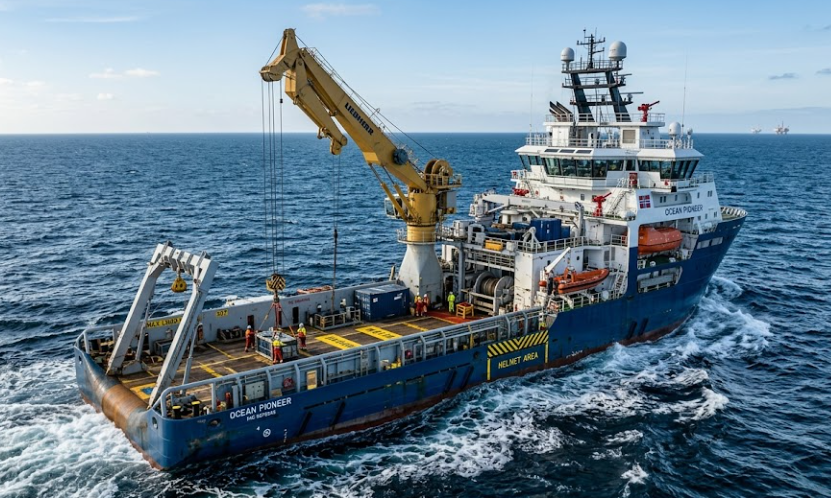
Through the Milverton Marine platform, project managers can access a database of verified vessels, including barges, tugboats, and heavy lift support vessels, with standardised technical specifications that make it straightforward to assess which assets are appropriate for midstream work in Nigerian waters. Charterers can compare vessel capabilities, check regulatory document status, and connect directly with owners without chasing information across multiple channels.
For companies managing time-sensitive midstream discharge schedules, having that level of market visibility is not a convenience. It is a genuine operational advantage, particularly when weather windows are short and the right vessel needs to be in place quickly.
To wrap this up, weather will always be a factor in midstream vessel operations. The risks it introduces, from reduced visibility and rough seas through to contractual disputes and extended project timelines, are well understood across the offshore marine industry. What separates projects that manage these risks well from those that do not is preparation: the right vessels, the right contracts, and the right marine partners from the start.Milverton Marine works with project managers and companies across Nigeria and West Africa to make that preparation easier. Whether you need a tugboat, a barge, a submersible vessel, or a full support fleet for your next midstream operation, the platform gives you the information and connections to make the right call before weather becomes a problem.